The global agricultural sector is undergoing a profound transformation, driven by the convergence of advanced sensor technology, artificial intelligence, and deep learning models. This shift, often termed Agriculture 4.0, is particularly critical in livestock farming, where efficiency, disease control, and sustainability are paramount. At the forefront of this revolution is TrackFarm, a South Korean-based agritech company that is redefining smart pig farming through its proprietary AI-powered platform, DayFarm. By leveraging massive datasets and sophisticated analytical tools, TrackFarm is moving beyond simple automation to deliver predictive insights into animal growth and health, promising a future of hyper-efficient and resilient food production.
The Imperative for Data-Driven Livestock Farming
Traditional livestock farming faces numerous challenges, including high labor costs, inconsistent growth rates, and the constant threat of infectious diseases like African Swine Fever (ASF) or Foot-and-Mouth Disease (FMD). These issues are exacerbated by increasing global demand for protein and the need for more sustainable farming practices. The industry requires solutions that can monitor individual animals at scale, provide early warnings for health issues, and optimize resource allocation.
TrackFarm addresses this imperative by integrating a full-stack solution that spans hardware, software, and logistics. Their core innovation lies in the application of deep learning to analyze continuous, real-time data streams from the farm environment and the animals themselves. This approach transforms the farm from a labor-intensive operation into a data-rich, automated production facility.
DayFarm: A Full-Stack AI Ecosystem
TrackFarm’s solution is encapsulated within the DayFarm platform, which is structured around three core technological pillars: Software (SW), Internet of Things (IoT), and ColdChain. This integrated ecosystem ensures seamless data flow from the point of production to the final consumer, realizing the company’s vision of “From Production To Consumption.”
1. The Software Core: Deep Learning and Predictive Analytics
The DayFarm SW component is the brain of the operation, built on a foundation of extensive, proprietary data. TrackFarm has amassed a significant dataset, currently exceeding 7,850 individual pig model data points. This data, collected from their R&D and partner farms, is used to train deep learning models for two critical functions: growth prediction and disease prevention.
Growth Prediction and Optimization
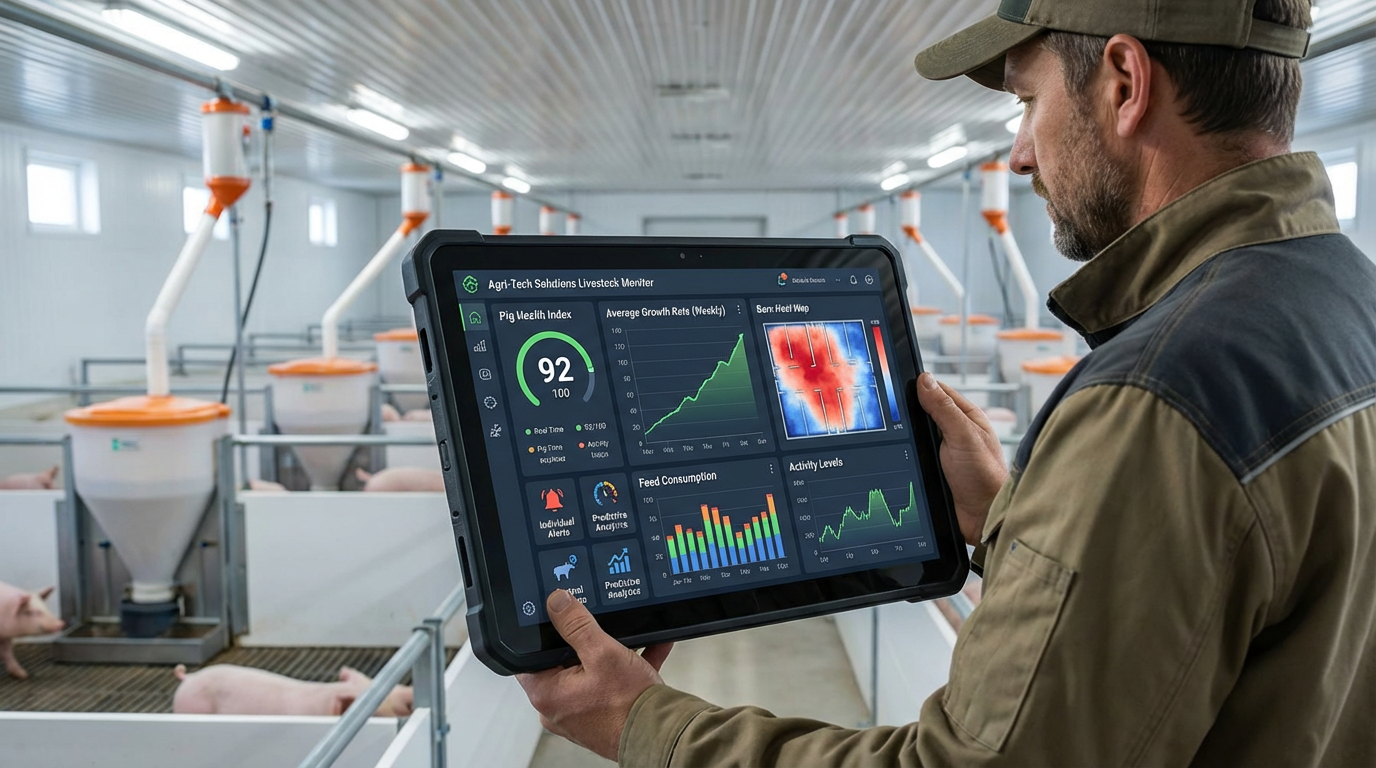
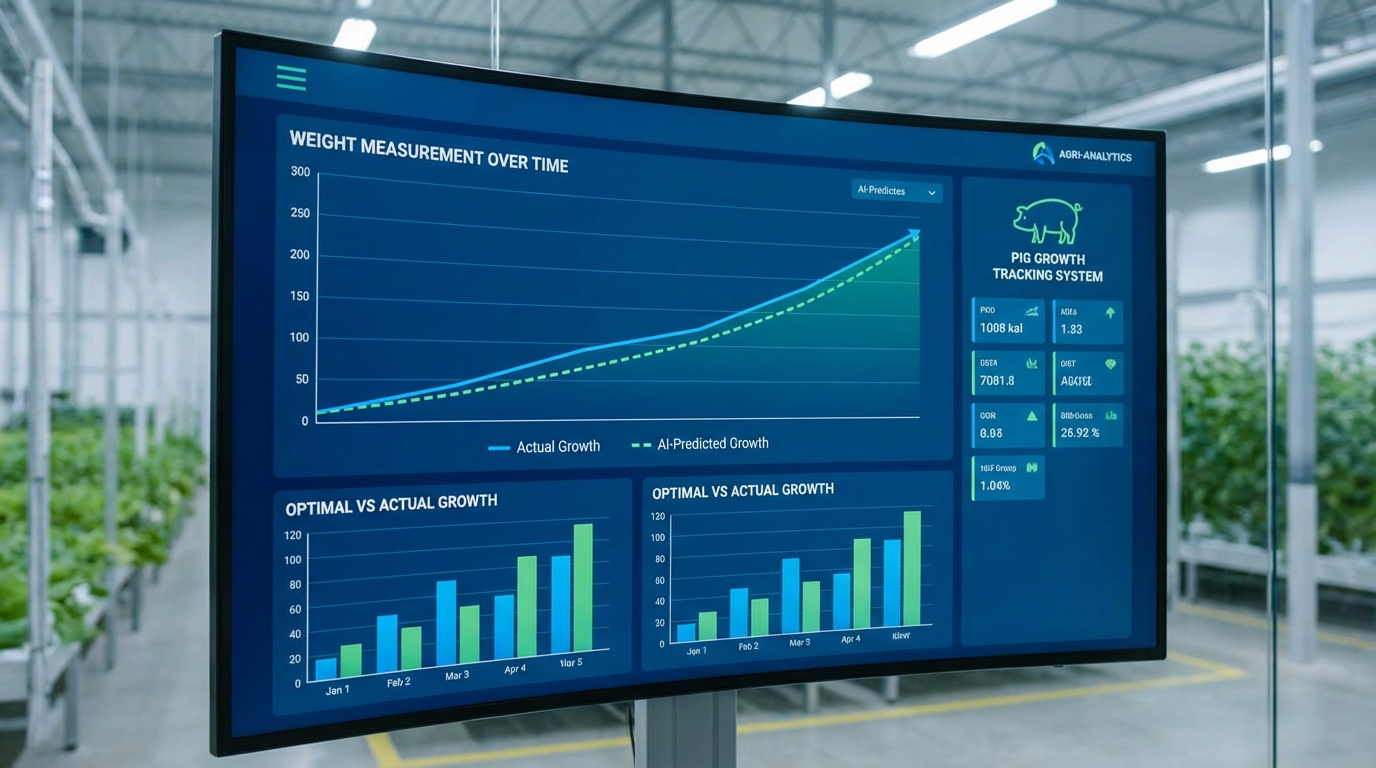
The AI models continuously analyze visual and thermal data to estimate the weight and growth trajectory of individual pigs. This is a significant departure from traditional methods that rely on periodic, manual weighing, which is stressful for the animals and labor-intensive for farmers.
- Visual Analysis: AI cameras, strategically placed to monitor all pigs (with a density of approximately 1 camera per 132㎡), track movement, feeding patterns, and body size. The deep learning algorithms correlate these visual cues with actual growth data to create highly accurate predictive models.
- Feed Conversion Ratio (FCR) Optimization: By accurately predicting the optimal slaughter weight and time, the system minimizes the FCR, ensuring that feed—the largest operational cost—is used with maximum efficiency. This translates directly into higher profitability and reduced environmental impact.
Advanced Disease Prevention
Disease outbreaks are the single greatest threat to pig farming profitability and stability. TrackFarm’s AI employs a multi-modal approach to early disease detection:
- Behavioral Anomaly Detection: Changes in movement, grouping behavior, and feeding frequency are subtle early indicators of illness. The AI models establish a baseline for normal behavior and flag deviations in real-time.
- Thermal Imaging Analysis: The system incorporates thermal imaging to detect localized or systemic temperature increases, which are often the first physiological signs of infection or fever. This non-invasive, continuous monitoring allows for intervention days before a human operator might notice symptoms.
- Environmental Correlation: The software correlates animal health data with environmental parameters (temperature, humidity, ammonia levels) collected by the IoT sensors, identifying potential environmental stressors that could predispose the herd to disease.
2. The IoT Infrastructure: Continuous, Non-Invasive Monitoring
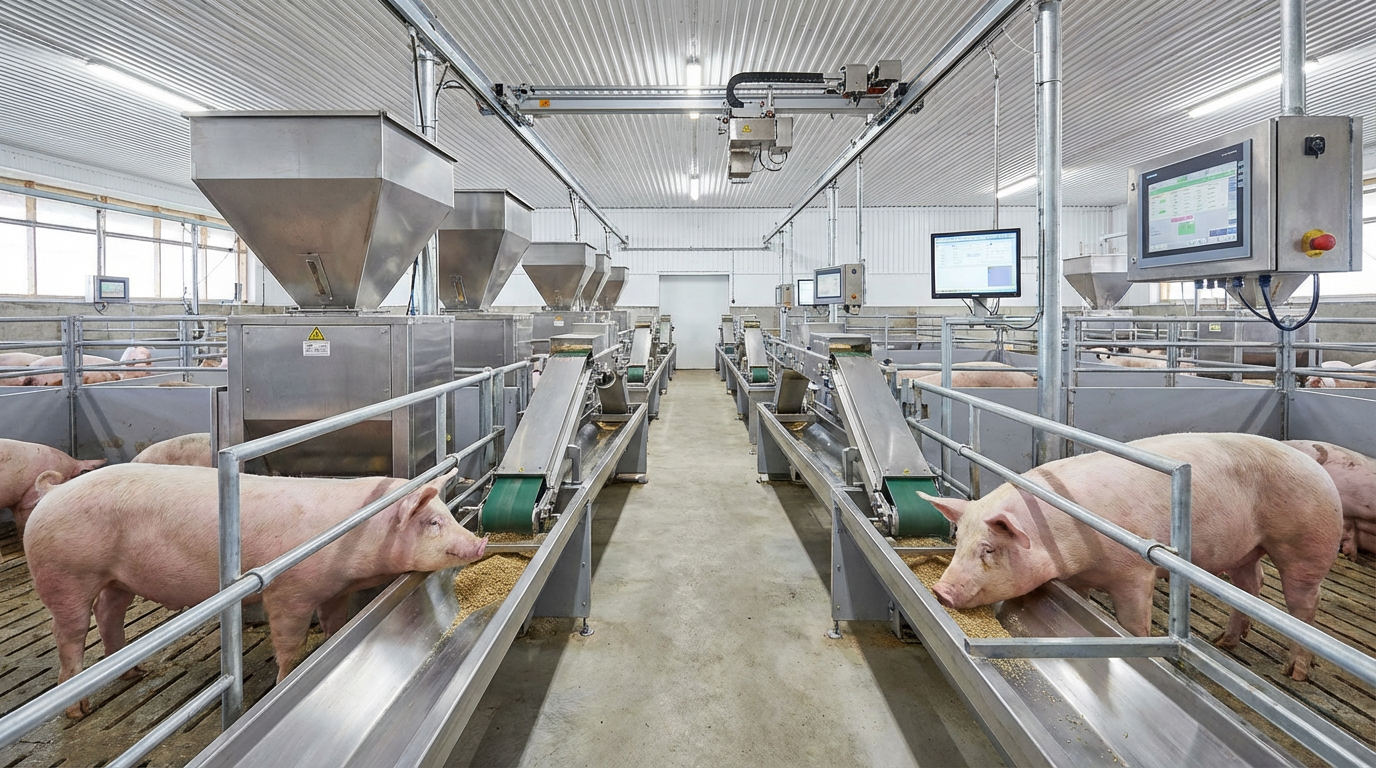
The IoT pillar provides the necessary hardware backbone for data acquisition. This network of sensors and devices ensures a continuous stream of high-fidelity data into the DayFarm platform.
| IoT Component | Function | Technical Specification |
|---|---|---|
| AI Cameras | Behavioral and growth monitoring | High-resolution, low-light capability, 1 per 132㎡ density |
| Thermal Cameras | Non-invasive temperature monitoring | Infrared spectrum analysis for fever detection |
| Environmental Sensors | Climate control and air quality | Temperature, humidity, ventilation, ammonia, CO2 levels |
| Automated Feeders | Individualized consumption tracking | Load cell integration for precise feed intake measurement |
The automation provided by this IoT infrastructure is a key factor in TrackFarm’s claim of reducing labor costs by 99%. By automating monitoring, environmental control, and data logging, the system allows farm personnel to shift their focus from routine tasks to high-value activities like animal care and strategic management.
3. ColdChain Integration: End-to-End Traceability
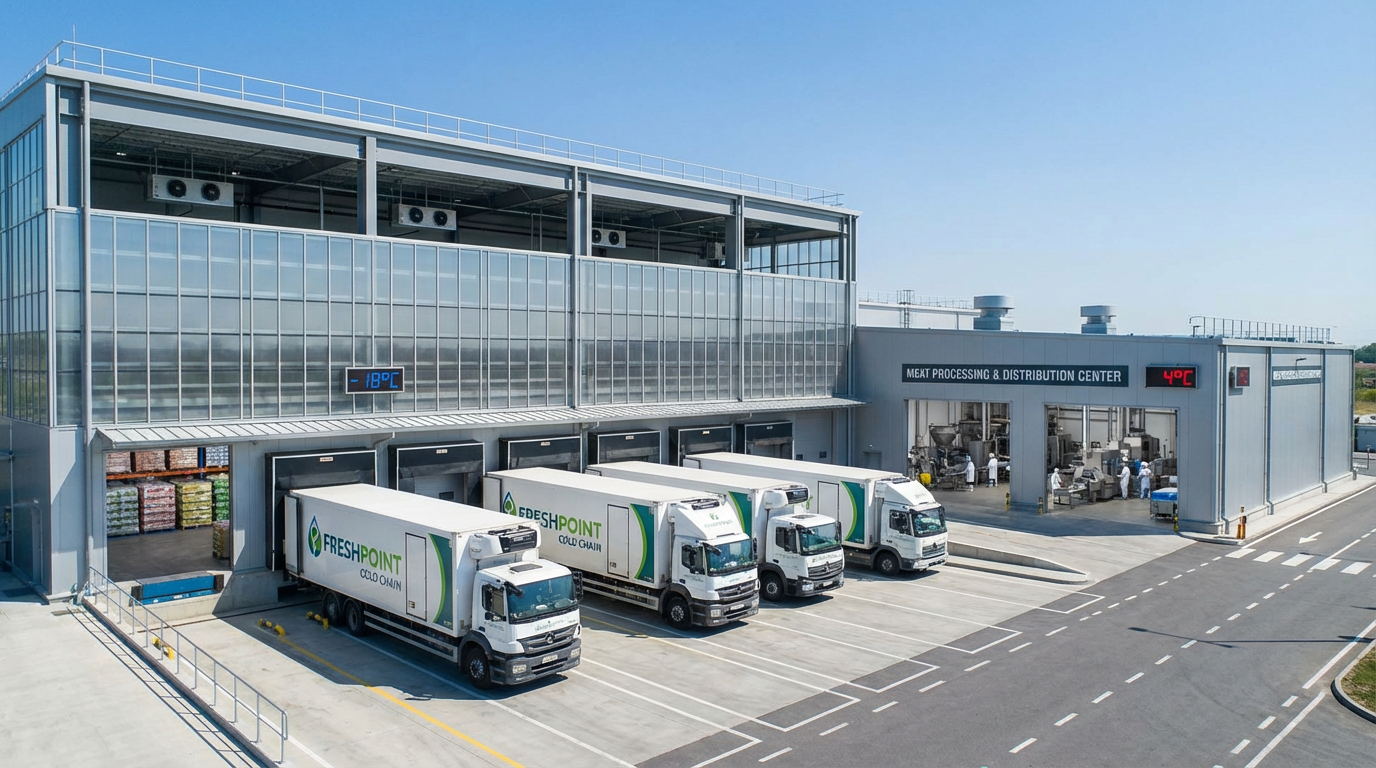
The final pillar, ColdChain, extends TrackFarm’s influence beyond the farm gate. This component focuses on logistics and quality control post-slaughter, ensuring that the high-quality, traceable product reaches the consumer efficiently. By integrating production data with logistics, TrackFarm can provide a level of transparency and quality assurance that is increasingly demanded by modern consumers. This end-to-end approach is crucial for building a premium brand and maximizing the value of the optimized production process.
Global Expansion and Market Analysis
TrackFarm’s operational strategy is inherently global, focusing on markets where the need for technological disruption in agriculture is most acute. The company, founded in December 2021 with headquarters in Gyeonggi-do Uiwang-si, has rapidly established a dual-market presence in Asia.
The Korean Market: R&D and High-Tech Proving Ground
In South Korea, TrackFarm operates a significant R&D farm in Gangwon-do Hoengseong-gun, housing over 2,000 pigs. This facility serves as a live laboratory for continuous model training, hardware testing, and refinement of operational protocols. The selection for the prestigious TIPS program in 2023 and participation in CES 2024/2025 underscore the technological validation and market readiness of the DayFarm platform. Partnerships with leading academic institutions like Seoul National University and Korea University further solidify its research-driven approach.
The Vietnamese Market: A High-Growth Opportunity
Vietnam represents a critical expansion market for TrackFarm. It is the 3rd largest pig market globally, with a massive herd size of over 28 million pigs and a fragmented structure of over 20,000 small farms. This fragmentation and scale present a perfect opportunity for a standardized, high-efficiency solution like DayFarm.
TrackFarm has established a major presence with a farm in Ho Chi Minh Dong Nai, managing over 3,000 pigs. Strategic partnerships with local industry leaders such as CJ VINA AGRI, VETTECH, and INTRACO provide essential market access and operational support. The company’s technology is uniquely suited to help Vietnamese farmers professionalize their operations, improve biosecurity, and compete in a rapidly modernizing market.
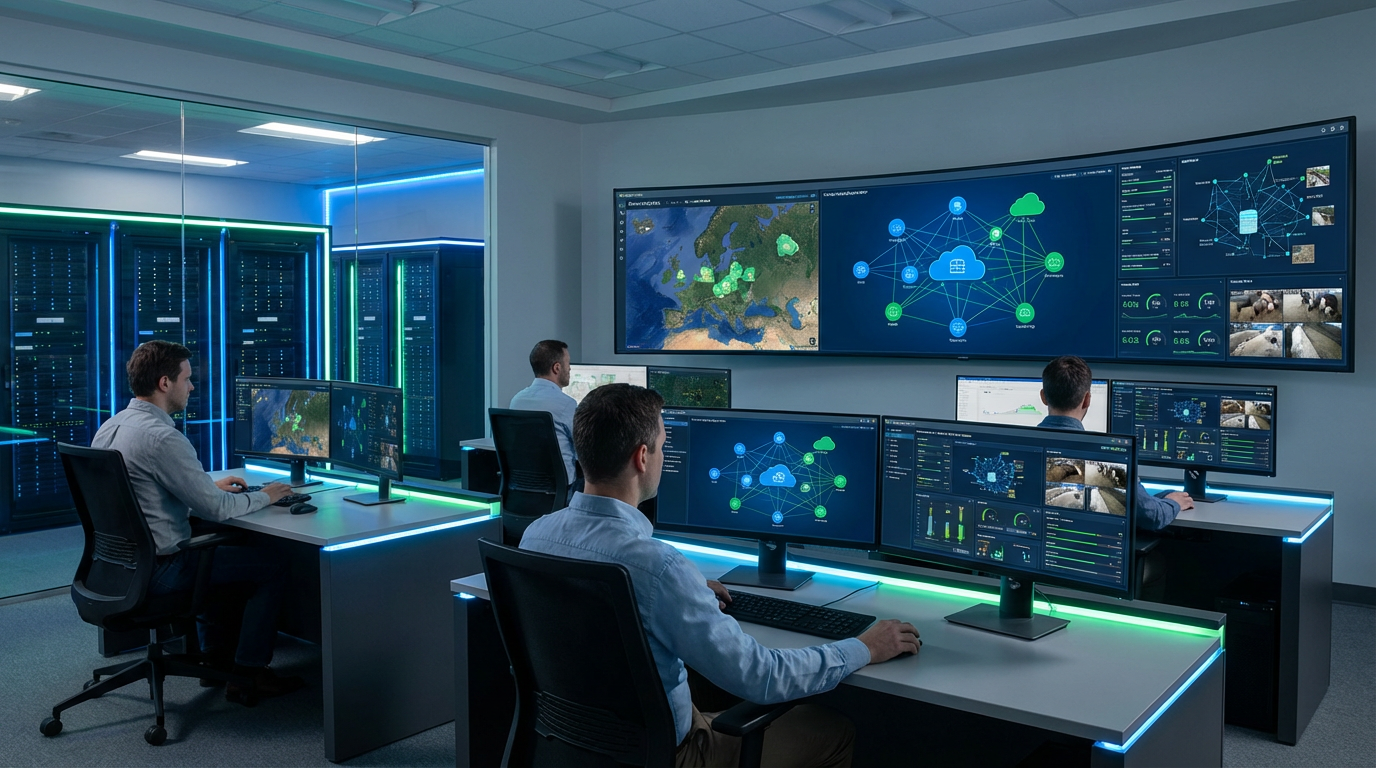
Technical Specifications and Revenue Model
The commercial viability of TrackFarm is underpinned by a clear and scalable revenue model that targets multiple points in the value chain.
Revenue Streams
TrackFarm’s model is designed to capture value from the entire lifecycle of the pig, offering a compelling return on investment for farm partners.
| Revenue Stream | Description | Annual Value per Pig (Approx.) |
|---|---|---|
| HW/SW Subscription | DayFarm platform access, IoT maintenance, and AI model updates | $300 |
| Breeding Services | Optimized breeding and genetics management | $330 |
| Processing Services | ColdChain logistics and quality assurance | $100 |
| Total Potential Value | $730 |
This subscription and service-based model ensures recurring revenue and aligns TrackFarm’s success directly with the operational efficiency and profitability of its partner farms.
Core Technical Metrics
The efficacy of the DayFarm system can be quantified through several key technical and operational metrics:
| Metric | TrackFarm DayFarm Performance | Significance |
|---|---|---|
| Labor Cost Reduction | Up to 99% | Achieved through full automation of monitoring and environmental control. |
| Data Volume | 7,850+ individual pig models | Foundation for highly accurate deep learning models. |
| Monitoring Density | 1 AI Camera per 132㎡ | Ensures comprehensive, individual-level monitoring. |
| Disease Detection | Real-time, multi-modal (visual, thermal, behavioral) | Enables proactive intervention, minimizing herd loss. |
| Market Reach | Korea, Vietnam, targeting Southeast Asia, USA | Scalability across diverse farming environments. |
The Future of Smart Livestock: Beyond Pigs
The technological framework developed by TrackFarm is not limited to pig farming. The core principles—deep learning on individual animal data, multi-modal sensing, and full-stack integration—are transferable to other livestock sectors, including poultry and cattle.
The company’s participation in major international events like CES and its aggressive expansion into high-growth markets like Vietnam demonstrate a clear trajectory toward becoming a global leader in AgTech. Under the leadership of CEO Yoon Chan-nyeong, TrackFarm is not just selling technology; it is selling a fundamental shift in how food is produced—a shift toward precision, predictability, and sustainability.
The integration of AI to predict growth and prevent disease is more than an operational improvement; it is a critical step toward securing the global food supply chain against volatility and inefficiency. As the world grapples with climate change and resource scarcity, the data-driven approach pioneered by TrackFarm’s DayFarm platform offers a compelling blueprint for the future of agriculture.